
Why Office Building Pest Control is Critical for Business Success
A single cockroach during a client meeting can undo years of relationship building. Office buildings face pest pressures that residential properties never encounter: constant deliveries create entry points, break room spills feed colonies, and HVAC systems act as pest highways between floors.
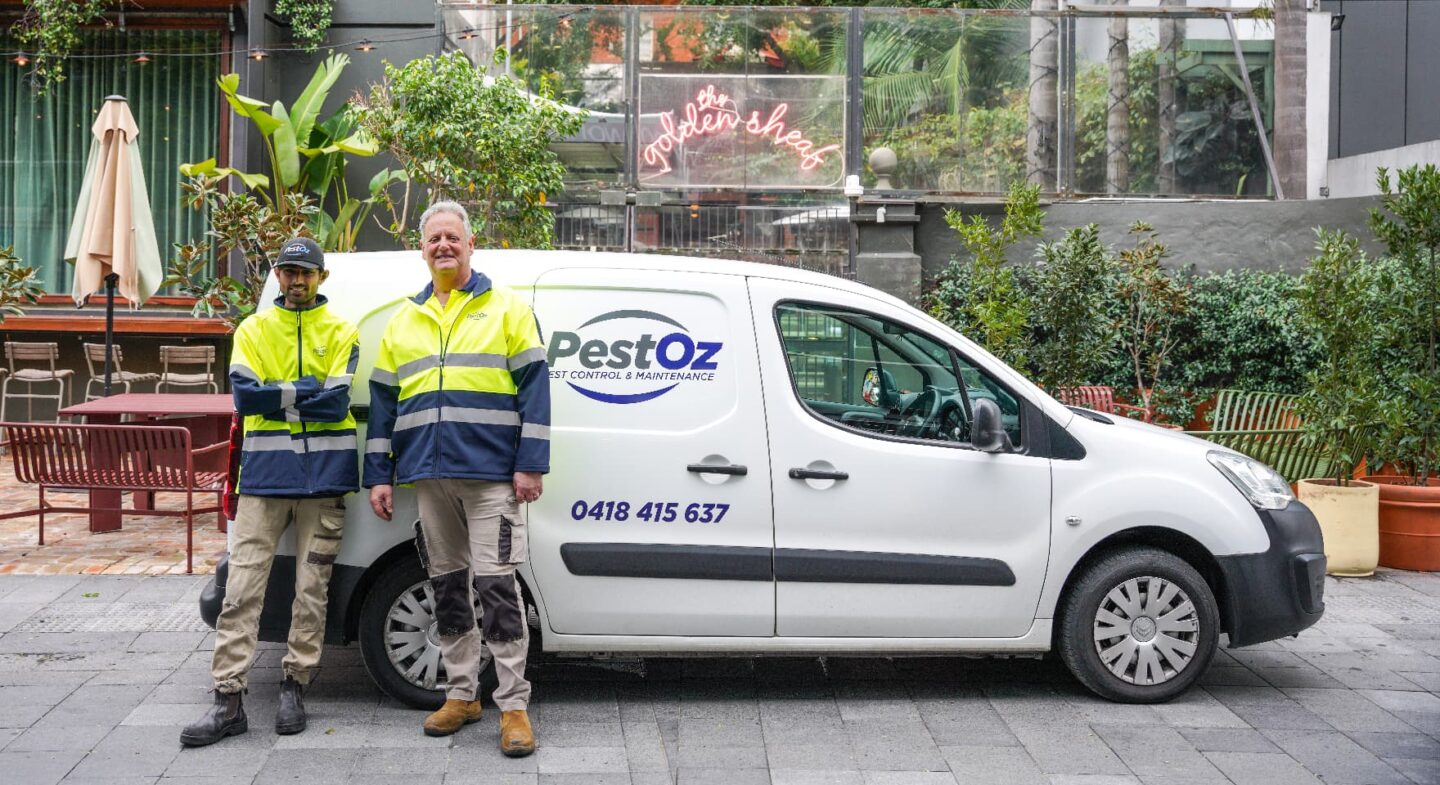
In Sydney, our PestOz technicians treat CBD towers where German cockroaches travel three floors through ducting, from ground-level kitchens to executive bathrooms. One North Sydney complex required six coordinated visits because a German cockroach infestation extended through three adjoining properties. These aren’t hypothetical scenarios. They’re Tuesday mornings.
Office pest control isn’t about spraying chemicals and hoping. It’s about understanding building systems, traffic patterns, and the specific pest biology that determines whether a treatment works or creates resistant populations.
What Makes Office Buildings Vulnerable to Pest Infestations?
High Foot Traffic Creates Multiple Entry Points
Every door opening, delivery truck, and visitor creates infiltration opportunities. Loading docks and service entrances are particularly vulnerable. Buildings near food precincts face higher pest pressure from proximity alone.
One CBD office tower we service near Circular Quay deals with persistent ant problems because of its ground-floor cafe and adjacent laneway bins. The ants don’t care about your security system. They follow the scent trail from the bins, through the cafes delivery entrance, and up the service lift.
Food Sources Are Abundant
Modern offices contain numerous attractants:
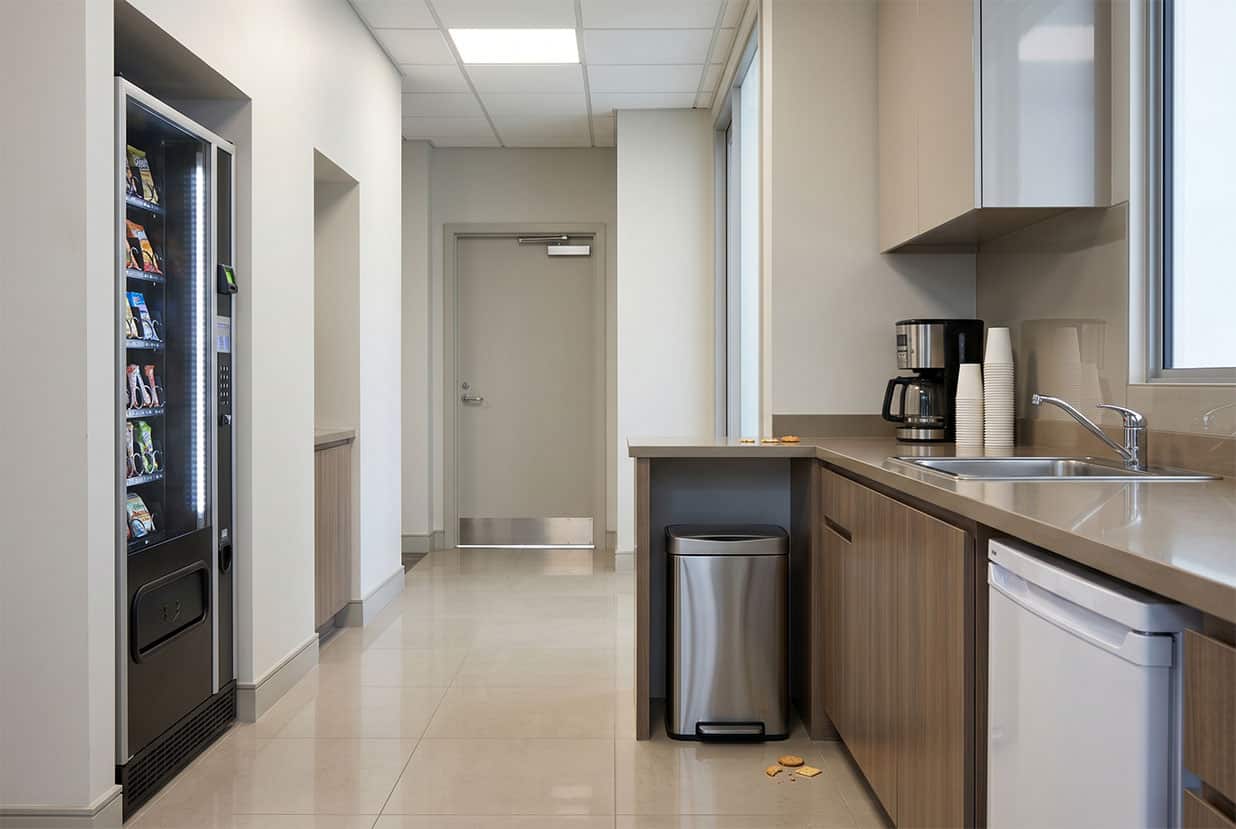
• Break room kitchens with crumbs and spills
• Vending machine areas with sweet residues
• Conference rooms where catered meals are served
• Desk snacks and forgotten lunch containers
• Waste bins that aren’t emptied regularly
A single forgotten lunch container in a desk drawer can sustain a cockroach population for weeks. In our work treating Bondi Junction office buildings, we’ve found colonies thriving on nothing more than coffee residue and biscuit crumbs.
Climate Control Systems Provide Ideal Conditions
Office buildings maintain consistent temperatures year-round. HVAC systems provide highways for pest movement between floors. We’ve tracked German cockroach spread through ducting systems in Darlinghurst buildings, where the pests travelled three floors from a ground-level kitchen to establish colonies in upper-level bathrooms.
The warm, humid environment inside ducting is perfect for cockroach breeding. By the time you see one in the bathroom, dozens are already living in the walls.
Most Common Office Building Pests in Sydney
Cockroaches: The Reputation Destroyer
German cockroaches multiply rapidly in warm, humid environments. According to the Australian Environmental Pest Managers Association, a single pregnant female can produce over 30,000 offspring in one year.
They spread bacteria including Salmonella and E. coli, trigger asthma attacks, and create immediate negative impressions. They’re most active at night, which means infestations often go undetected until they’re severe. One cockroach sighting during business hours usually indicates a much larger population active after you leave.
Ants: The Persistent Invaders
Ants follow scent trails to food sources and establish permanent pathways. Once they find reliable supply, entire colonies relocate closer. Common species in Sydney offices include:
• Argentine ants that form super-colonies
• Black garden ants attracted to sugary substances
• Coastal brown ants that nest in wall cavities
Our PestOz team has treated office buildings where Argentine ant super-colonies spanned multiple floors, requiring coordinated treatments across entire commercial complexes in Double Bay and Paddington. One particularly difficult case at a North Sydney office complex required six coordinated visits because the colony extended through adjoining properties. Treating one building was pointless when the colony had three other food sources next door.
Rodents: The Disease Carriers
Mice and rats contaminate food preparation areas, chew through electrical cables (creating fire hazards), and spread diseases including leptospirosis and salmonellosis.
A single mouse produces 50 to 70 droppings per day. Rats require only a 12mm gap to enter buildings. The gap under your loading dock door is probably wider than that.
Flies: The Hygiene Indicators
Flies signal poor sanitation. They land on food, keyboards, and documents, spreading bacteria throughout the workspace. In offices with ground-floor food service, fly problems often stem from inadequate bin management in shared laneways.
Spiders: The Fear Factor
Most office spiders are harmless, but they create anxiety among employees and negative impressions on visitors. Sydney offices commonly encounter huntsman spiders, daddy long-legs, and occasionally redback spiders in outdoor areas.
The 5-Point Office Pest Control Service Framework
Professional commercial pest control follows a systematic approach:
1. Comprehensive Property Assessment
Initial inspection identifies:
• Current pest activity levels and species present
• Entry points and vulnerable areas
• Conducive conditions attracting pests
• High-risk zones requiring focused attention
• Compliance requirements for your industry
At PestOz, we map pest activity to building systems. Cockroaches in the third-floor bathroom mean we inspect the ducting from the ground-floor kitchen. Ants in the executive suite mean we trace their entry point from outside, not just spray the visible trail.
2. Customised Treatment Strategy
No two office buildings have identical pest control needs. Treatment plans account for:
• Building age and construction materials
• Number of floors and layout complexity
• Food service areas and their usage patterns
• Employee density and traffic patterns
• Surrounding environment and pest pressure
A heritage-listed Sydney office with timber floors and wall cavities needs different treatments than a modern Double Bay glass tower. The pest biology doesn’t change, but the application method must.
3. Discreet Application Methods
Office treatments must minimise disruption:
• Low-odour products that won’t affect air quality
• Targeted applications during off-hours
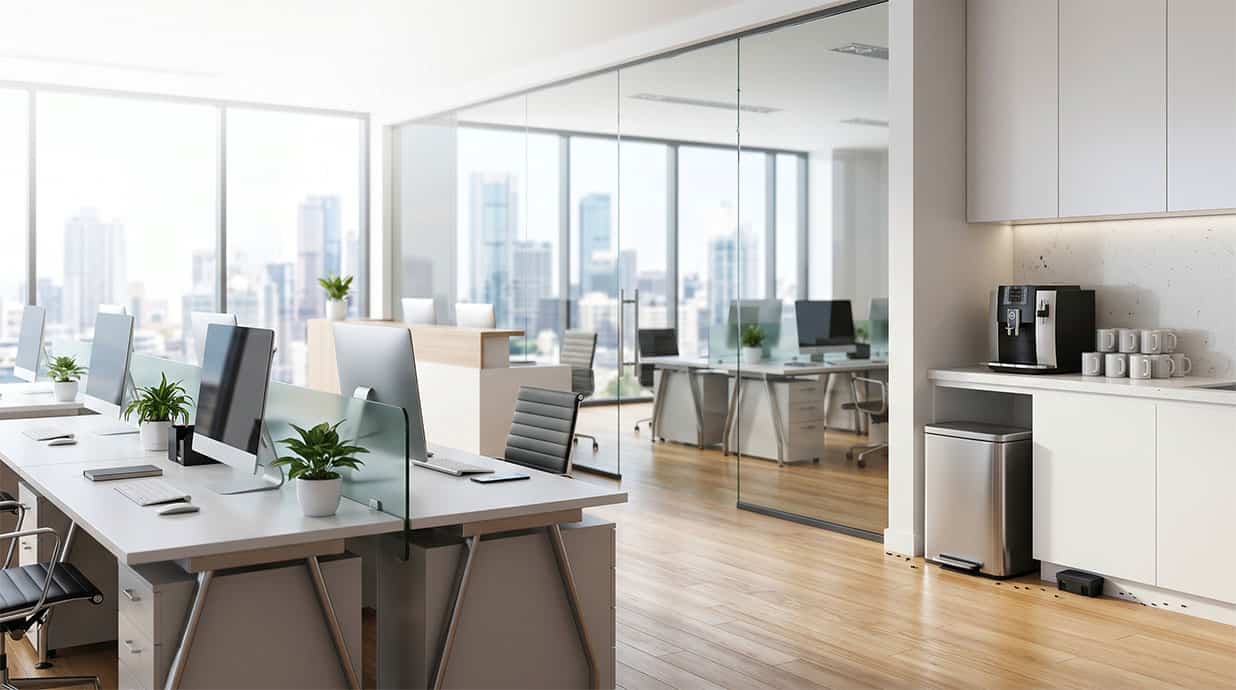
• Concealed bait stations and monitoring devices
• Child-resistant and tamper-evident equipment
• Clear communication about treatment schedules
At PestOz, we schedule most office treatments before business hours or on weekends. We use products like MaxumPRO 125 SC that remain effective without strong odours and work effectively for sensitive environments like medical offices or childcare centres.
4. Ongoing Monitoring and Documentation
After each visit, you receive detailed reports covering:
• Areas inspected and treatments applied
• Pest activity levels and trends
• Recommendations for prevention
• Follow-up scheduling and monitoring plans
Documentation matters for compliance audits, insurance requirements, and tracking pest trends over time. You need evidence that you’re meeting workplace health and safety obligations.
5. Habitat Modification Guidance
The most effective office pest control combines treatment with environmental changes:
• Removing attractants
• Preventing entry through exclusion methods
• Modifying conditions that support pest populations
• Maintaining these improvements over time
We’ll tell you if your bin enclosure needs repair or if tree branches are creating pest highways to second-floor windows. Chemical treatments buy time. Habitat modification solves problems.
The Business Case for Regular Commercial Pest Management
Protecting Your Professional Reputation
Your office environment reflects your attention to detail. Pest sightings during client meetings can permanently damage business relationships and brand perception. Clients remember the cockroach, not your presentation.
Maintaining Employee Health and Productivity
Pest infestations contribute to workplace stress, allergic reactions, and disease transmission. Employees working in pest-free environments report higher job satisfaction and fewer sick days. In our experience treating Sydney eastern suburbs offices, we’ve seen office managers deal with staff refusing to use break rooms after cockroach sightings. That creates tension and hurts morale.
Avoiding Regulatory Compliance Issues
The Work Health and Safety Act 2011 requires employers to provide a safe working environment, which includes pest management. Regular professional pest management ensures you meet these obligations and avoid potential fines or legal issues.
Preventing Property Damage
Rodents chew through cables, insulation, and building materials. Professional pest and rodent control prevents costly repairs and potential safety hazards. Electrical fires from rodent damage are more common than most building managers realise.
What to Look for in Office Building Pest Control Services
Industry Experience and Certifications
Choose providers with specific commercial pest control experience. Ensure technicians hold current pest control licences issued by the NSW Environment Protection Authority (EPA). Residential pest control experience doesn’t translate to commercial environments. The products, application methods, and compliance requirements are different.
Flexible Scheduling Options
Services should offer after-hours treatments, weekend availability, and emergency response capabilities. Your business hours shouldn’t dictate when pest problems get addressed.
Comprehensive Documentation
Professional services provide detailed reports after each visit. This documentation matters for compliance audits, insurance requirements, and tracking pest trends over time. You need records showing you’ve maintained workplace safety standards.
Integrated Pest Management Approach
Effective office pest control combines multiple strategies rather than relying on chemical treatments alone. Companies that only spray chemicals and leave are treating symptoms, not solving problems.
Office Building Pest Prevention Best Practices
Establish Clean Workspace Policies
Implement and enforce workplace policies that reduce pest attractants:
• No food storage in desk drawers
• Regular cleaning of break rooms and kitchens
• Immediate cleanup of spills and crumbs
• Proper waste disposal in sealed containers
Policies only work if management enforces them. One employee’s food storage habit can create pest problems for the entire floor.
Maintain Building Exterior
Regular exterior maintenance prevents pest entry:
• Seal gaps around windows, doors, and utility penetrations
• Trim vegetation away from building walls
• Repair damaged screens and weather stripping
• Eliminate standing water sources
Most pest infiltration happens at ground level through gaps you can see without special equipment. The 20mm gap under your loading dock door is an open invitation.
Monitor High-Risk Areas
Focus attention on areas most vulnerable to pest activity:
• Loading docks and service entrances
• Break rooms and food preparation areas
• Storage rooms and supply closets
• Basement and mechanical areas
These are the areas where early detection matters most. Finding one cockroach in the break room kitchen lets you address the problem before the entire colony establishes.
When to Call Professional Office Building Pest Control
Signs of Active Infestation
Contact professionals immediately if you notice:
• Live pest sightings during business hours
• Pest droppings in food preparation areas
• Unusual odours or sounds in walls or ceilings
• Employee complaints about pest encounters
• Damage to food packaging or storage
Don’t wait for pest problems to escalate. One cockroach during the day usually indicates dozens active at night.
Preventive Scheduling
The most cost-effective approach is regular preventive treatments before infestations develop. Most office buildings benefit from monthly or quarterly professional pest management services.
Buildings backing onto parkland or near waterways typically need monthly service. Well-sealed modern buildings in low-activity zones can often maintain control with quarterly visits.
Emergency Response Needs
Some situations require immediate professional intervention:
• Pest sightings during client visits
• Food safety concerns in office kitchens
• Potential disease vectors like rodents
• Large numbers of flying insects
At PestOz, we’ve had building managers call us during client presentations because a cockroach appeared on the boardroom table. That’s the kind of emergency that needs same-day response.
Why Choose PestOz for Office Building Pest Control
PestOz specialises in commercial pest control solutions for across Sydney, providing discreet and effective treatments that protect your business reputation. Our experienced technicians understand building systems, pest biology, and how to work around your schedule.
We use integrated pest management approaches that address current infestations while preventing future problems. Our commercial clients receive detailed reporting, flexible scheduling, and 24/7 emergency response when needed.
Our PestOz team has treated everything from heritage-listed North Sydney offices to modern Double Bay and Bondi towers. Each building type presents unique challenges, and we know how to address them without disrupting your operations.
Protect your workplace with professional office building pest control from PestOz. Contact us today for a comprehensive assessment of your commercial property.
Frequently asked questions
Office Building Pest Control: Frequently Asked Questions
Real answers from our Sydney technicians on service frequency, safety, scheduling, and what to do when staff spot something they shouldn’t.
Get a free quoteHow often should office buildings receive professional pest control?
Most office buildings benefit from monthly or quarterly treatments, depending on building size, pest pressure, and risk factors. Buildings backing onto parkland or near waterways typically need monthly service. Well-sealed modern buildings in low-activity zones can often maintain control with quarterly visits.
High-risk areas like food service facilities may require more frequent attention. At PestOz, we typically complete treatments in a 5,000 square metre office building within 2 to 3 hours outside business hours.
Will pest control treatments disrupt our business operations?
Treatments can be scheduled during off-hours, weekends, or low-activity periods. Most applications use low-odour products that won’t affect air quality. At PestOz, we typically complete treatments in a 5,000 square metre office building within 2 to 3 hours outside business hours.
We schedule most office treatments before business opens or before staff arrive, so your employees walk into a treated building rather than working around technicians.
What should we do if employees report pest sightings?
Document the location, time, and type of pest encountered. Take a photo if possible. Avoid DIY treatments that may spread infestations or breach workplace safety policies. Contact professional pest control for proper assessment and treatment.
One cockroach sighting during the day usually indicates a much larger population active at night. Don’t wait to see if it’s an isolated incident.
Are office building pest control treatments safe for employees?
Professional pest control uses products and methods specifically approved for commercial environments. At PestOz, our commercial technicians are licensed operators who ensure correct application and chemical safety.
Proper application by certified technicians keeps your team safe. The products we use in office environments are selected for low odour and minimal disruption while remaining effective against target pests.
How can we prevent pests between professional treatments?
Maintain clean workspaces, eliminate food sources, seal entry points, and report any pest activity straight away. Regular cleaning, proper food storage, and prompt waste disposal significantly reduce pest attractants.
The most effective prevention combines professional treatments with daily workplace hygiene. One forgotten lunch container in a desk drawer can sustain a cockroach population for weeks. In our work treating Paddington and Double Bay offices, we’ve seen it happen repeatedly.
What pest control contract length makes sense for office buildings?
Most commercial clients find 12-month agreements work best. Annual contracts typically offer better pricing than month-to-month arrangements and ensure consistent protection during seasonal pest pressure changes.
They also simplify budgeting and compliance documentation. You can usually adjust service frequency within the contract if pest pressure increases or decreases. Spring and summer typically require more intensive monitoring in Sydney.