
Choosing the right pest control method can feel overwhelming, especially when you are dealing with an active infestation or trying to protect your home before one starts. At PestOz, we hear the same questions from homeowners and business owners across Australia every day. This FAQ brings together the most common queries about pest control methods and gives you clear, expert answers so you can make informed decisions.
What are the main types of pest control methods available in Australia?
The short answer
Pest control methods fall into several broad categories: chemical, biological, physical, and integrated pest management (IPM).
Each approach has its own strengths depending on the pest type, the severity of the infestation, and the environment being treated.
| Method | What it involves |
|---|---|
| Chemical control | The application of pesticides, insecticides, rodenticides, or fumigants to eliminate or repel pests. |
| Biological control | Natural predators, parasites, or pathogens used to manage pest populations. |
| Physical and mechanical control | Traps, barriers, exclusion techniques, and heat treatments. |
| Integrated Pest Management (IPM) | Multiple methods combined in a coordinated strategy to achieve long-term pest suppression with minimal environmental impact. |
For most residential and commercial situations in Australia, a licensed pest technician will recommend an approach tailored to your specific pest problem and property.
What is Integrated Pest Management and why do professionals recommend it?
The short answer
Integrated Pest Management, commonly known as IPM, is a science-based approach that prioritises prevention and uses multiple control tactics together rather than relying solely on chemical treatments.
Professionals recommend IPM because it tends to produce more sustainable outcomes, reduces chemical reliance, and addresses the root causes of infestations rather than just the symptoms.
A typical IPM program includes:
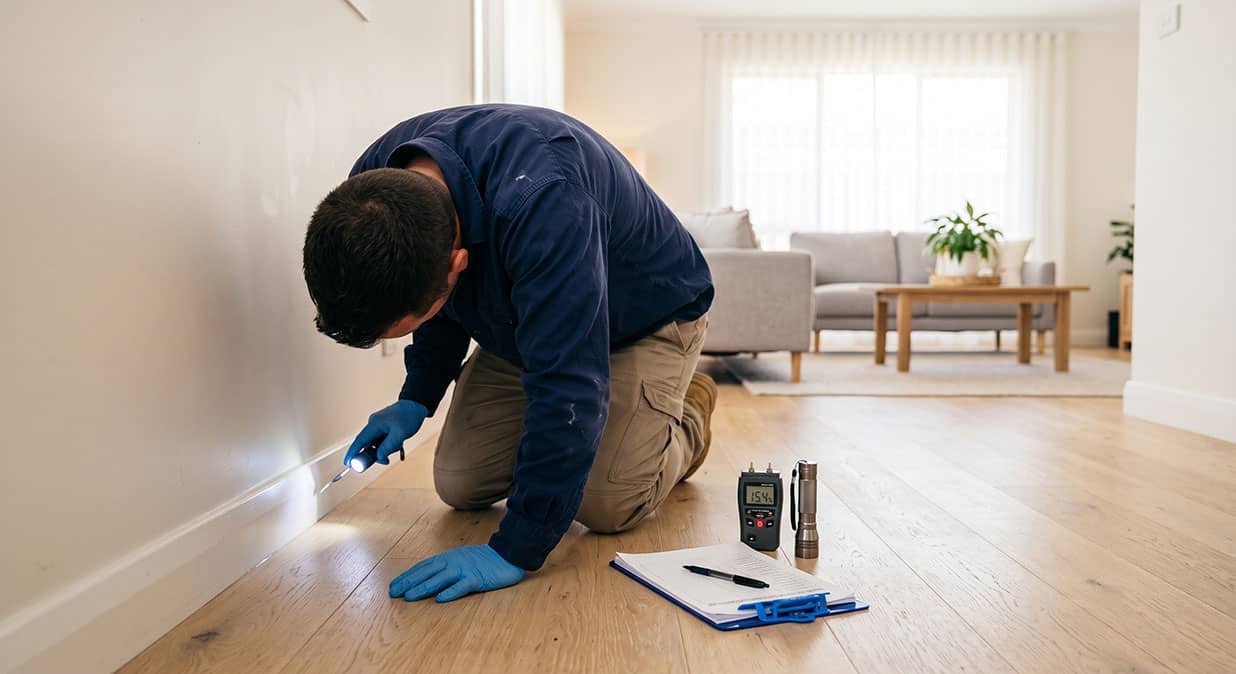
- Inspection and monitoring to identify pests, entry points, and environmental conditions.
- Prevention strategies such as sealing gaps, removing food sources, and improving sanitation.
- Physical controls like traps and barriers as a first line of defence.
- Chemical treatments applied precisely and only when necessary.
- Ongoing monitoring to assess effectiveness and adjust the strategy.
IPM is particularly well-suited to food handling businesses, schools, and homes with young children or pets where minimising chemical exposure is a priority.
How do I know which pest control method is right for my situation?
The short answer
The right method depends on several factors, and a professional assessment is always the most reliable starting point.
Key considerations include:
- The type of pest: Termites, cockroaches, rodents, and spiders all respond to different treatments.
- The severity of the infestation: A minor ant trail near a kitchen is handled very differently from a major termite colony in your subfloor.
- The location of the problem: Indoor treatments require different products and techniques than outdoor perimeter treatments.
- Occupant sensitivities: Households with babies, elderly residents, or pets may need low-toxicity or non-chemical approaches.
- Regulatory requirements: Some environments, such as commercial kitchens and childcare centres, have specific compliance obligations under Australian law.
A licensed PestOz technician can assess your property and recommend a targeted, cost-effective solution.
Are chemical pest control treatments safe for my family and pets?
The short answer
When applied correctly by a licensed professional, modern chemical pest control treatments are formulated to be effective against target pests while minimising risk to humans and animals.
That said, there are important precautions to follow.
All pest control products registered for use in Australia must meet standards set by the Australian Pesticides and Veterinary Medicines Authority (APVMA). Licensed technicians are trained in safe handling and application, which is why DIY chemical use carries higher risks than professional treatment.
What is the difference between a pest spray and a fumigation treatment?
The short answer
A pest spray applies a liquid insecticide to surfaces, cracks and entry points, while fumigation seals the structure and introduces a gaseous pesticide that reaches pests hidden deep inside.
- Spray A liquid insecticide typically applied to surfaces, cracks, and entry points. It is used to treat visible pest activity and create a residual barrier that kills pests that come into contact with treated surfaces over time. Sprays are commonly used for cockroaches, ants, spiders, and general insect control.
- Fumigation A more intensive treatment that involves sealing a structure and introducing a gaseous pesticide (fumigant) to penetrate all areas of a building or commodity. It is primarily used for severe termite infestations, stored product pests, and situations where pests are hidden deep within the structure. It requires all occupants, including pets, to vacate the property for a specified period and must be carried out by licensed fumigators.
The right choice between these two methods depends entirely on the pest, the location, and the extent of the problem.
Can I use DIY pest control methods instead of hiring a professional?
The short answer
For very minor pest issues, some DIY measures can provide short-term relief, but for recurring problems, large infestations, or pests that can cause structural or health-related damage, professional pest control delivers far better value and outcomes.
Supermarket sprays, bait stations, and traps can help manage small numbers of common household pests like ants or cockroaches. However, DIY pest control has significant limitations:
- Consumer-grade products are generally less potent than professional-grade formulations.
- Incorrect application can scatter pests further or create pesticide resistance.
- DIY methods rarely address the underlying cause of an infestation.
- Certain pests, particularly termites, require professional detection equipment and licensed treatment methods under Australian regulations.
- Misuse of pesticides can pose health and environmental risks.
How long does a professional pest control treatment last?
The short answer
The longevity of a treatment depends on the method used, the pest being targeted, and environmental conditions.
General guidelines include:
| Treatment | How long it typically lasts | What that covers |
|---|---|---|
| Surface spray treatments | Three to six months | For cockroaches, ants, and spiders under normal indoor conditions. |
| Termite barrier treatments | Several years | Liquid termiticides applied to the soil, depending on the product and application conditions. |
| Rodent baiting programs | Scheduled, ongoing | Generally maintained on a scheduled basis rather than offering a single long-term result. |
| Biological controls | Continuous | Operate as part of the pest’s ecosystem, but take longer to show results. |
Regular inspections and maintenance treatments are recommended to keep protection at its most effective level, particularly for high-risk pests like termites.
What is biological pest control and is it used in residential settings?
The short answer
Biological pest control uses living organisms to suppress pest populations, and in residential settings it is less commonly used as a standalone method but can be incorporated into an IPM program.
Common examples include introducing predatory insects, nematodes (microscopic worms), or bacteria that target specific pest species without harming other organisms. Around a home, that might look like:
- Bacillus thuringiensis (Bt) is a naturally occurring bacteria used to control caterpillars and mosquito larvae in garden and outdoor settings.
- Beneficial nematodes can be applied to soil to control lawn grubs and other soil-dwelling pests.
- Encouraging natural predators such as birds, lizards, and spiders can help keep pest numbers in check around the garden.
Biological methods are more commonly used in agriculture and horticulture at a large scale but can play a supporting role in a well-rounded residential pest management strategy.
How do physical pest control methods work?
The short answer
Physical pest control methods work by creating barriers or traps that prevent pests from accessing an area or physically remove them from the environment.
These methods are non-chemical and are often used as a preventive or complementary measure. Examples include:
- Exclusion: Sealing cracks, gaps around pipes, and entry points with appropriate materials to prevent pests from entering.
- Traps: Snap traps, glue boards, and live traps for rodents; pheromone traps for certain insects.
- Heat treatment: Raising the temperature of a space or material to a level that kills pests, commonly used for bed bugs and stored product pests.
- Physical barriers: Screens on windows and doors, door sweeps, and mesh over vents.
Physical methods are particularly valuable where chemical use is restricted and work best when combined with other approaches.
Pest control methods
Done reading. Still not sure which treatment your place needs?
That is the part we are good at. Tell us the pest, the property and anything you have already tried. A licensed PestOz technician will inspect, explain in plain English which method suits your home and why, and give you the price before any work starts.
-
Family-owned, 15+ years
A Sydney family business, not a franchise. The same people answer the phone and do the work.
-
Licensed and insured
Fully licensed and insured, with CM3, Trades Monitor and SMATA accreditation.
-
Bondi based, Sydney wide
Strongest in the eastern suburbs, and we treat homes right across Sydney.
Frequently asked questions
A few more questions we get asked
The practical follow-ups homeowners ask us once they have a handle on the methods themselves.
Talk to a licensed technician
How often should I have my home professionally treated for pests?
For general pest prevention, an annual inspection and treatment is recommended for most Australian homes. Properties in high-risk areas or with a history of infestations may benefit from treatments every six months. Termite inspections should be carried out at least once a year.
Is pest control required by law for rental properties in Australia?
Landlords in Australia have a duty to provide rental properties in a reasonably habitable condition, which can include addressing pest infestations. Specific obligations vary by state and territory, and tenants should check their local residential tenancy legislation for details.
Do pest control treatments work in the rain?
Rain can reduce the effectiveness of some outdoor chemical treatments, particularly if applied shortly before heavy rainfall. Your technician will consider weather conditions when scheduling treatments and may use products formulated to withstand light moisture.
Are eco-friendly pest control methods as effective as conventional chemical treatments?
Eco-friendly and low-toxicity pest control methods have improved significantly and can be highly effective for many common pest problems. However, for severe infestations or particularly resilient pest species, conventional treatments may still be necessary. A professional can advise on the best balance for your situation.
How do I prepare my home before a pest control treatment?
Preparation steps vary by treatment type but generally include clearing food from benches, storing pet food and water bowls, removing items from under sinks and inside cupboards, and ensuring good access to areas being treated. Your PestOz technician will provide specific preparation instructions before your appointment.
Have more questions about pest control methods? Contact the PestOz team for expert advice tailored to your property and pest concerns.