
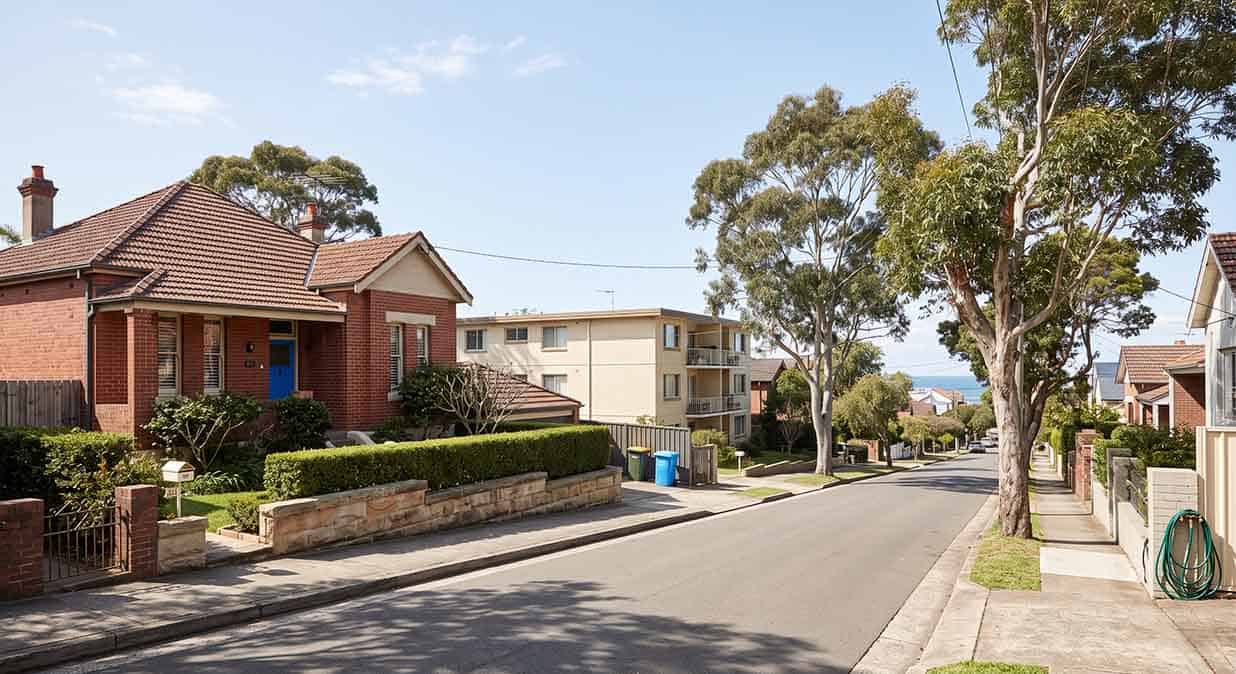
Here is our honest view after years of treating homes and businesses across the eastern suburbs and Sydney-wide: most Sydney pest problems are predictable, seasonal, and far cheaper to prevent than to fix. The warm summers, salty coastal humidity and older housing stock make this one of the busiest pest zones in the country. A Bondi apartment, a Federation terrace in Bronte, a cafe a block from the sand; they all throw up the same handful of questions.
This guide pulls together 30 of the questions we field most often at PestOz, answered plainly and grounded in local Sydney conditions rather than generic national filler. We have organised them the way a customer actually thinks, from “what is this bug” through to “what will it cost”. If you would rather just talk to someone, contact our team and we will point you in the right direction.
What pests are most common in Sydney homes and businesses?
Short answer
Sydney’s most common pests are cockroaches, ants, spiders, rodents and termites, followed closely by fleas, silverfish and wasps. The coastal climate and dense housing across the eastern suburbs create ideal conditions for most of them to thrive year-round.
Which pests do Sydney homes deal with most?
Cockroaches, ants and spiders top the list for most households. German cockroaches love kitchens and bathrooms. Black house ants trail through pantries all summer. Huntsman and redback spiders turn up around garages, eaves and the underside of outdoor furniture. Rodents and the occasional wasp nest round out the usual suspects.
Are termites really a problem in Sydney?
Yes. Termites are one of the most damaging pests in Sydney, and the risk sits high across much of the metropolitan area. Subterranean species such as Coptotermes cause structural damage that home insurance almost never covers. Older timber homes, decks and fence lines through the eastern suburbs are all vulnerable, which is exactly why regular inspections matter so much.
What pests are worst for Sydney businesses?
Cockroaches and rodents are the biggest headache for Sydney cafes, restaurants and hospitality food premises. They carry a genuine health risk and can trigger a failed inspection under council food safety rules. Flies, ants and stored-product pests in dry goods are also common in hospitality and retail near the coast. We have seen a single roach sighting during a Waverley Council check turn into a very stressful week for an owner.
Do beachside and eastern suburbs properties have different pest issues?
Often, yes. Coastal humidity in suburbs like Bondi, Bronte and Coogee encourages cockroaches, silverfish and mould-loving pests. Sandy soils and tightly packed housing concentrate ant and rodent activity. Older apartment blocks let pests move between units through shared wall cavities, so what looks like one flat’s problem is sometimes the whole building’s.
How does professional pest control actually work?
Short answer
Professional pest control works by finding where pests are living and breeding, then treating those areas rather than spraying where you happened to see one. A good technician treats the source, builds barriers at entry points, and checks the result.
How does pest control work, step by step?
A typical PestOz visit follows four stages: inspect, identify, treat and advise. We inspect the property inside and out. We identify the species and how it is getting in. We apply the right product to entry points and harbourage areas. Then we give you advice to keep it from coming back. The aim is long-term control, not a quick knockdown that fades in a fortnight.
What products do professionals use?
Professionals use registered gels, baits, dusts, granules and low-toxicity residual sprays, chosen to match the pest and the setting. For cockroaches we often run gel baits into cracks and crevices. For ants, we use baits the colony carries back to the nest. For termites, specialised baiting systems such as Sentricon or Trelona, or a soil treatment around the structure. The product is matched to the job. There is no single spray for everything.
How long does a pest control treatment take?
Most general treatments for a standard Sydney home take between 30 minutes and an hour and a half, depending on size and access. Termite inspections and treatments take longer, often two hours or more. We would rather be thorough than quick, particularly around roof voids, subfloors and fence lines where pests like to sit out of sight.
How long before I see results?
You will usually notice a drop in activity within a few days, with full results over one to two weeks. Baits work gradually by design, because the pests carry the product back to the nest. That slow burn is exactly what you want for lasting control. Seeing a few insects after treatment is normal too, as they move out of hiding and contact the product.
Is pest control safe for my family, pets and the environment?
Short answer
Yes. Modern pest control is safe for families, pets and the environment when a licensed technician applies it and you let it dry as directed. Today’s products are low-toxicity, used in targeted amounts, and placed where people and pets are least likely to touch them.
Are pest control chemicals dangerous to my kids?
Applied correctly, no. The residual products used in homes break down over time and go on at low concentrations to specific areas like skirting boards, cracks and entry points. NSW Health publishes public guidance on pests and safe control, and licensed technicians follow the product label to keep exposure to a minimum.
How long should I keep pets away after treatment?
Keep pets off treated surfaces until they are completely dry, usually two to four hours. For internal sprays, that means keeping the cat or dog out of treated rooms for a short window. Cover fish tanks and reptile enclosures and switch off their pumps during treatment, then uncover them once we confirm it is safe.
Is pest control safe for pregnant women and babies?
It can be, but tell your technician in advance so we can adjust the approach. We can place baits and gels in discreet spots rather than broad sprays, and recommend a longer airing-out period. If anyone in the home is pregnant, elderly, immune-compromised or has a respiratory condition, always mention it before we start.
Is professional pest control bad for the environment?
Professional treatment is generally more environmentally responsible than repeated DIY spraying. Targeted baiting uses tiny amounts of product placed precisely where pests feed, instead of broadcasting chemicals across your garden. Licensed technicians are trained to protect waterways, bees and non-target wildlife. That matters a great deal near Sydney’s beaches and the bushland reserves around the harbour.
How often should Sydney properties be treated for pests?
Short answer
Most Sydney homes benefit from a general pest treatment once a year, ideally heading into the warmer months, plus a professional termite inspection at least annually. High-risk properties, food businesses and homes with recurring trouble usually need more frequent visits.
How often should I get a general pest treatment?
Once a year is the right baseline for most households. An annual treatment before spring and summer keeps cockroaches, ants and spiders in check through their busiest period. If you back onto bushland, have had past infestations, or live in an older block with shared walls, a six-monthly schedule is worth considering.
How often should I have a termite inspection?
At least once every 12 months, and more often on high-risk properties. Australian Standard AS 3660 recommends annual termite inspections as a minimum, and in parts of Sydney with heavy activity, every six months is smarter. Set against the repair cost of undetected termite damage, an annual inspection is cheap insurance.
Does pest activity change with Sydney’s seasons?
Strongly, yes. Spring and summer bring peak cockroach, ant, spider and wasp activity as the heat and humidity climb. Termites swarm in the warmer months after rain. Rodents move indoors as autumn cools, chasing warmth and food. Timing a treatment ahead of each season gives you the best protection.
| Time of year | What picks up | Why it happens |
|---|---|---|
| Spring and summer | Cockroaches, ants, spiders, wasps | Heat and humidity climb, and activity hits its peak |
| Warmer months after rain | Termites | Warm, wet weather is when termites swarm |
| As autumn cools | Rats and mice | Rodents move indoors chasing warmth and food |
What should I do before and after a pest control treatment?
Short answer
Before treatment, tidy up and clear access to problem areas, then put away food, dishes and pet bowls. After treatment, stay off treated surfaces until dry, hold off mopping skirting boards for a couple of weeks, and let the products do their work.
How do I prepare my home for pest control?
Clear clutter from kitchen benches, under sinks and along skirting boards so we can reach the harbourage areas. Store food, wash up, and move pet bowls out of the way. Vacuum floors, empty bins, and pull furniture slightly off the walls where you can. The more access we have to cracks and edges, the better the result.
Should I clean after a pest control treatment?
Give it a couple of weeks before you deep-clean treated areas. Residual products form an invisible barrier along skirting boards, edges and entry points, and mopping or wiping them straight away washes that barrier off. Normal cleaning of benchtops and food-prep surfaces is fine. Just leave the treated edges alone for a while.
Do I need to leave the house during treatment?
For most internal treatments, you can return once surfaces are dry, usually two to four hours later. You do not normally need to vacate for the day or stay elsewhere overnight. For larger jobs, or if someone in the home is sensitive, we will talk through the timing so everyone is comfortable.
How do I know if I have a pest problem that needs professional help?
Short answer
Book a professional inspection if you see pests repeatedly during the day, notice droppings, hear noises in walls or ceilings, find damaged timber, or spot mud trails. One or two insects can be normal. Recurring sightings and physical damage are your signal to act.
- Probably fine One or two insects turning up now and then. In a Sydney home that is fairly normal.
- Book an inspection Seeing pests repeatedly during the day, finding droppings, or hearing noises in the walls or ceiling.
- Book it now Damaged timber or mud trails. That is physical damage, so it needs looking at quickly.
What are the early signs of a termite problem?
Watch for mud tunnels on walls or piers, timber that sounds hollow when tapped, doors and windows that suddenly stick, and small piles of what looks like sawdust. Discarded wings near windows after a warm, humid night are a classic sign of a swarm. Any of these warrants an inspection, quickly.
How do I know if I have a rodent problem?
Droppings, gnaw marks, a musky smell and scratching in the ceiling or walls at night are the giveaways. You might also find chewed food packaging or wiring. Rats and mice breed fast, so a couple of early signs can turn into a full infestation within weeks if you leave them to it.
When are cockroaches a sign of a bigger issue?
Seeing cockroaches during the day usually means the population is large, because they normally hide when it is light. German cockroaches breed rapidly inside kitchens and appliances, and a few in the open often means many more out of sight. Regular daytime sightings, especially in a food business, need professional treatment rather than a supermarket can.
What is the difference between DIY and professional pest control?
Short answer
DIY treats what you can see. Professional pest control treats the source. Supermarket sprays knock down individual insects but rarely reach the nest, the breeding sites or the entry points. Licensed technicians identify the species, use professional-grade products, and provide coverage a can of spray simply cannot match.
Does DIY pest control actually work?
DIY can help with minor, one-off issues but seldom clears an established infestation. Off-the-shelf sprays have a short residual life and often scatter cockroaches or ants rather than wiping out the colony. For recurring problems, termites or anything in a food business, professional treatment saves money and frustration over the long run.
Why is professional pest control worth the cost?
You are paying for correct identification, professional-grade products, proper coverage and lasting results, not just a spray. A technician finds the entry points and harbourage areas you cannot, treats them safely, and usually backs the work with a warranty period. Getting it right once is cheaper than three or four DIY attempts that never quite land.
Can I combine DIY with professional treatment?
Yes, sensible upkeep between professional visits helps a lot. Keep food sealed, bins clean, gaps around doors filled and gardens tidy to reduce pressure. Just do not spray over professionally placed baits. Retail sprays can repel pests away from the bait and undo the whole treatment. When in doubt, ask us first.
How much does pest control cost in Sydney?
Short answer
General pest control for a standard Sydney home typically runs from around $150 to $350, depending on property size, pest type and severity. Termite inspections and specialised treatments cost more because they involve more work. The surest way to know is a quick quote based on your property.
What affects the price of pest control?
Property size, the type of pest, the level of infestation and access all move the price. A one-bedroom apartment costs less than a large house with a subfloor and roof void. Termite work, rodent proofing and commercial food-premises programs are priced separately because they take more time and use specialised products.
Is the cheapest quote the best choice?
Not usually. A very low quote can mean a quick spray that never reaches the source, so you pay again when the problem comes straight back. Look for a licensed technician, a clear scope, the right products and a warranty period. The value is in the problem actually being solved, not the sticker price.
Does pest control come with a warranty?
Reputable general treatments usually include a warranty period, commonly a few months, during which we come back if the treated pests return. Termite treatments carry their own longer-term arrangements. Always confirm what is covered before you book, so you know exactly what you are getting. Ask us about our warranty terms.
Buying, prevention and choosing a pest controller in Sydney's eastern suburbs
Three more that come up constantly, from people buying and selling through to keeping pests away between visits.
Do I need pest control before selling or buying a Sydney home?
A termite and pest inspection is strongly recommended before buying any Sydney property, and it is increasingly common before selling too. Termites are so prevalent across the metro area that a pre-purchase inspection can save a buyer from a very expensive surprise, and it gives a seller a clean report to hand over.
What can I do to prevent pests between treatments?
Remove food and water sources, seal gaps, and keep the place tidy. Fix leaking taps, clear the roof gutters, store firewood away from the house, seal gaps around doors and pipes, and keep bins clean and closed. In Sydney’s humid coastal climate, cutting down moisture is one of the most effective things you can do.
Who should I call for pest control in the eastern suburbs of Sydney?
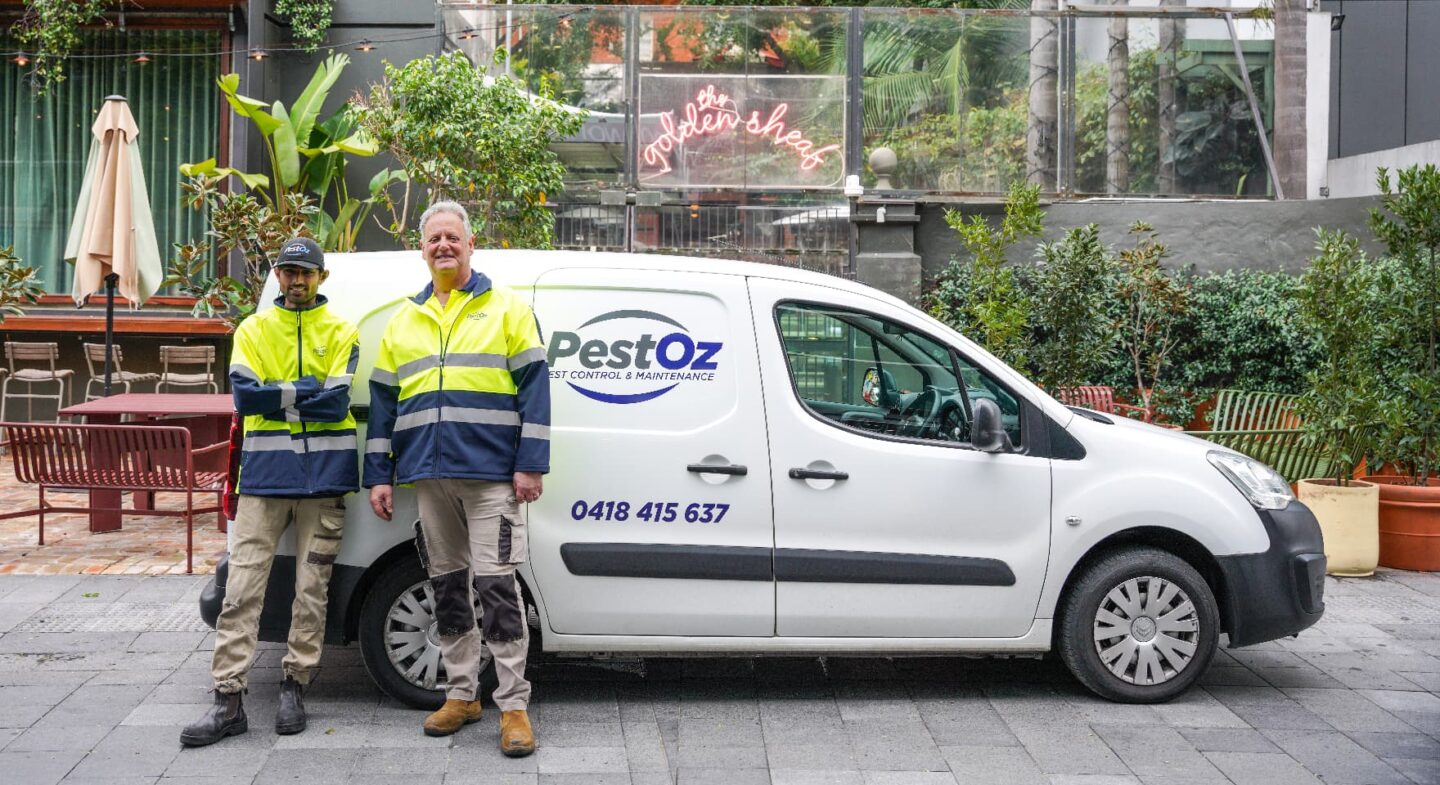
For local, licensed pest control across Bondi and the eastern suburbs, PestOz is the team to call. We know the pests, the housing stock and the seasonal patterns of coastal Sydney, and we treat homes and businesses with safe, targeted methods. Get in touch for a quote and we will sort it properly.
Sydney pest control
Get a Free Pest Control Quote for Your Sydney Home
If any of these questions sound like your situation, do not wait for it to become a big one. Our climate rewards fast action, especially with termites and cockroaches. Tell us what you are seeing and where you are, and we will build a treatment plan around your property in Bondi, the wider eastern suburbs or anywhere across Sydney.
-
Licensed, insured, accredited
Family-owned for 15+ years, fully licensed and insured, CM3, Trades Monitor and SMATA accredited.
-
We treat the source
Inspect, identify, treat, advise. The four steps behind every visit, not a quick spray.
-
Homes, strata and hospitality
Bondi apartments through to cafes and commercial kitchens, across the eastern suburbs and Sydney-wide.
This article is general information only. For advice specific to your property and pest situation, speak with a licensed pest control technician. For public health guidance on pests in NSW, see NSW Health.
What are the early signs of a termite problem in Sydney?
Early signs of termites in a Sydney home include hollow-sounding timber when tapped, tight-fitting doors or windows due to warped frames, mud tubes along walls or foundations, and discarded wings near windowsills. If you notice any of these signs, a professional inspection should be arranged promptly as termite damage is rarely covered by home insurance.
How much does pest control cost in Sydney?
Pest control costs in Sydney vary depending on the type of pest, property size, and treatment method required. General pest treatments for a standard home are typically priced differently from termite inspections or commercial treatments. PestOz offers free quotes tailored to your property in the eastern suburbs.