

The short answer
How do you prevent rats and mice in your Sydney home this winter?
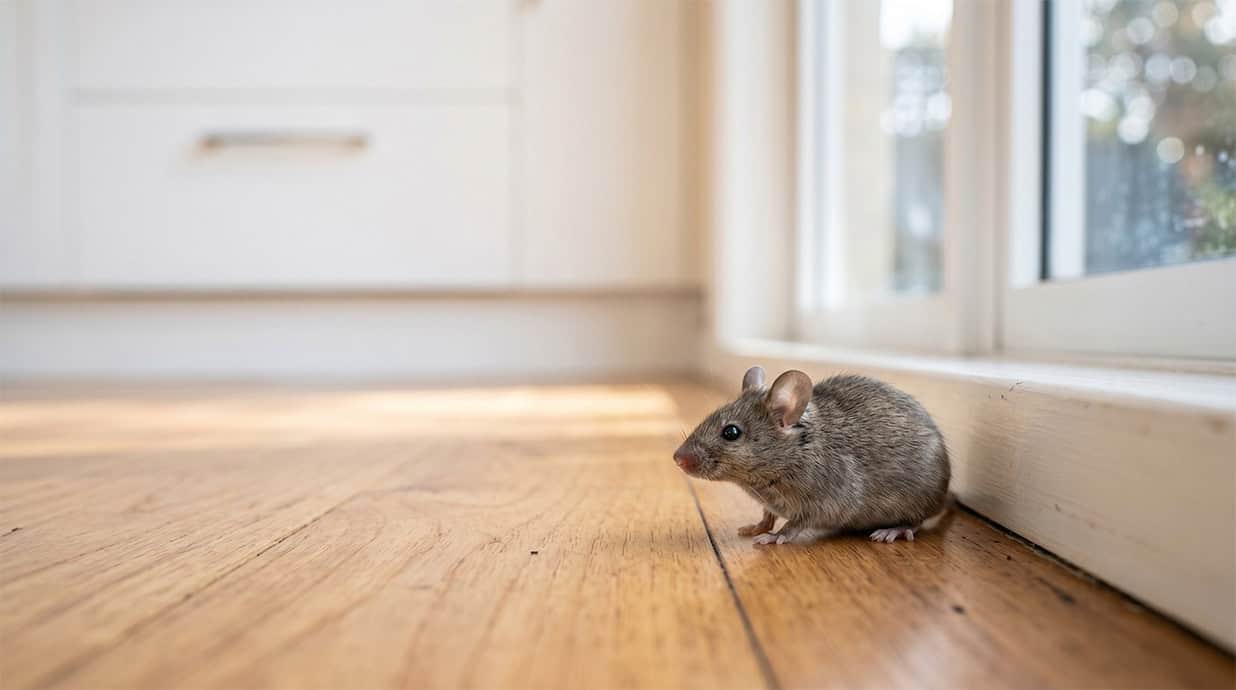
Seal every gap wider than a coin, cut off food and water, and clear the spots rodents shelter in, before the cold pushes them indoors. Mice slip through gaps as small as 6 mm, and a single breeding pair can produce dozens of offspring in weeks, so prevention beats reactive baiting every time.
The six-step approach we use across the eastern suburbs:
- Seal entry points. Block gaps around pipes, vents and foundations with steel wool, copper mesh or hardware cloth.
- Remove food sources. Store dry goods and pet food in airtight containers and wipe down surfaces after meals.
- Control moisture. Fix leaking pipes, improve ventilation and keep gutters clear so there is no easy water supply.
- Manage the yard. Trim vegetation back from the house and lift firewood and stored items off the ground.
- Watch for early signs. Act on droppings, gnaw marks and night-time scratching before a population establishes.
- Call a professional. Bring in a technician for active, recurring or hard-to-find infestations.
Which Eastern Suburbs Are Most Affected by Winter Rodents?
Rats and mice activity spikes across Sydney’s eastern suburbs each winter as coastal breezes drive temperatures down and residents seal up their homes — inadvertently trapping warmth that attracts rodents. Older terrace homes in Bondi, Paddington and Surry Hills are particularly vulnerable due to ageing foundations, heritage brickwork and period-era roof cavities that are difficult to fully seal.
Properties near green corridors, parks and the coastline in Coogee, Bronte and Maroubra also see elevated rodent pressure in winter as natural food sources decline. If you live in one of these areas, the six-step prevention approach above is especially important to implement before the cooler months arrive.
Winter in Sydney brings dropping temperatures that drive rats and mice to seek warm shelter in residential properties. These unwanted guests cause significant property damage, contaminate food sources, and pose serious health risks to your family.
The speed at which rodents reproduce makes early action non-negotiable. A single pair of mice can produce up to 10 litters annually, with each litter containing 48 offspring. In our work with Sydney homeowners, we find that prevention (sealing entry points, removing food sources, and controlling moisture before pests arrive) delivers far better outcomes than reactive baiting once an infestation takes hold. This guide lays out the six-step approach we use with clients across Bondi, Randwick, Coogee, Maroubra and the eastern suburbs to stop rodents before they establish territory.
Why Do Rats and Mice Enter Sydney Homes During Winter?
Rats and mice are drawn to residential properties during winter for three primary reasons: warmth, food, and shelter from the elements. Sydney’s winter temperatures, while mild compared to other regions, still represent a significant drop from summer conditions that triggers rodent migration patterns.
These pests squeeze through remarkably small openings. Mice fit through gaps as narrow as a pen width (6 mm). Young rats can squeeze through a gap of about 12 mm, roughly the width of a little finger. Once inside, they establish nesting sites in wall cavities, roof spaces, and storage areas where they remain largely undetected.
Rodents are particularly attracted to homes that provide easy access to food and water. Kitchen crumbs, pet food left in bowls, and accessible pantry items create ideal conditions. Leaky pipes, condensation, and pet water bowls provide the moisture these pests require for survival. The combination is irresistible.
What Are the Early Warning Signs of Rodent Activity?
Identifying rodent presence early allows for prompt intervention before populations establish and multiply. Fresh droppings represent the most obvious indicator. Mouse droppings appear as small, dark pellets roughly the size of rice grains; rat droppings are larger and more elongated.
Gnaw marks on food packaging, furniture edges, and electrical cords indicate ongoing activity. Rats and mice must constantly chew to keep their ever-growing teeth manageable. Small holes chewed through cardboard boxes, plastic containers, and wooden structures suggest established populations.
Scratching or scurrying sounds within walls, particularly during nighttime hours, signal rodent movement through your home’s structure. These nocturnal pests are most active between dusk and dawn.
Greasy smudge marks along walls and baseboards result from rodents repeatedly following the same pathways. Their oily fur leaves distinctive trails that become more pronounced with continued use. In one Bondi terrace we inspected last July, we found a clear grease line running the length of the kitchen skirting board, evidence the rodents had been using that route for weeks.
How to Seal Entry Points Around Your Property
Effective rodent prevention begins with eliminating potential entry points throughout your property’s exterior and interior structures. Walk around your home’s perimeter during daylight hours to identify gaps, cracks, and openings that could facilitate rodent access.
Focus particular attention on areas where utility lines enter your home: cable television connections, internet lines, and plumbing penetrations. Even properly installed utilities develop gaps over time due to settling, weather exposure, and material expansion.
Weatherstripping around doors and windows deteriorates with age and exposure, creating entry opportunities for determined rodents. Replace worn weatherstripping with high-quality materials designed to withstand Sydney’s climate conditions. We recommend checking weatherstripping twice yearly, once in early autumn before rodents become active, and again in spring to catch wear before the next season.
Foundation cracks, regardless of size, should be sealed using appropriate materials. Concrete crack filler works well for smaller gaps; larger openings may require professional masonry repairs. Pay special attention to areas where different building materials meet, as these junctions often develop separation over time.
Garage doors represent common entry points due to worn bottom seals and side gaps. Install or replace garage door seals to eliminate these access routes. Ensure automatic garage doors close completely and make proper contact with the ground surface.
What Materials Work Best for Blocking Rodent Entry?
Steel wool creates an effective barrier against rodent intrusion when properly installed in small gaps and cracks. Rodents find steel wool difficult to chew through, making it ideal for sealing openings around pipes, vents, and other penetrations.
Expanding foam sealant works well for larger gaps but should be reinforced with hardware cloth or metal screening for maximum effectiveness. Rodents can eventually chew through foam alone. The combination of materials provides long-lasting protection.
Copper mesh offers excellent durability for outdoor applications where weather resistance is essential. Unlike steel wool, copper mesh resists corrosion and maintains its effectiveness over extended periods. Bunnings stocks copper mesh in 150 mm and 300 mm widths suitable for most residential applications.
Concrete mortar provides permanent solutions for larger foundation cracks and significant structural gaps. Professional application ensures proper adhesion and long-term effectiveness.
Hardware cloth with quarter-inch or smaller openings effectively protects larger areas such as foundation vents, attic openings, and crawl space access points. Secure hardware cloth using appropriate fasteners designed for your specific application. For outdoor vents exposed to salt air in coastal Sydney suburbs, stainless-steel hardware cloth resists corrosion better than galvanised alternatives.
How to Eliminate Food Sources That Attract Rodents
Proper food storage practices significantly reduce your property’s attractiveness to rodents seeking sustenance. Transfer opened dry goods from their original packaging into airtight containers made of glass, metal, or heavy-duty plastic with secure lids. Sistema and Decor both manufacture rodent-proof containers widely available at Australian supermarkets and hardware stores.
Refrigerate opened pet food rather than leaving it accessible in feeding bowls overnight. Establish specific feeding times for pets and remove uneaten food promptly. Store unopened pet food in sealed containers rather than leaving bags open or loosely closed.
Maintain clean kitchen surfaces by wiping down countertops, stovetops, and dining areas after each meal. Crumbs and food residue that seem insignificant to humans provide substantial nutrition for small rodents.
Regularly clean behind and under kitchen appliances where food particles and grease accumulate. Pull out refrigerators, stoves, and dishwashers quarterly to remove hidden debris that attracts pests. This is unglamorous work, but it matters.
Secure rubbish bins with tight-fitting lids and maintain regular collection schedules. Overflowing bins or loose bags create feeding opportunities that draw rodents to your property.
What Steps Should You Take for Outdoor Prevention?
Landscaping practices significantly influence rodent pressure around your property. Trim tree branches and shrubs at least 60 centimetres away from your home’s exterior to prevent rodents from using vegetation as bridges to access your roof.
Remove brush piles, wood stacks, and other debris from areas immediately adjacent to your home’s foundation. These materials provide ideal nesting sites and cover for rodents establishing territory near your property.
Maintain your lawn and garden areas to eliminate tall grass and dense vegetation where rodents can hide and travel undetected. Regular mowing and pruning reduce available shelter options.
Secure compost bins with rodent-proof lids and avoid composting meat scraps, dairy products, or cooked foods that particularly attract pests. Properly managed compost piles generate heat that discourages rodent nesting whilst providing valuable garden nutrients.
Store firewood, building materials, and outdoor equipment at least 45 centimetres away from your home’s exterior walls. Elevate stored items on platforms or pallets to eliminate ground-level hiding spaces. Even simple treated-pine frames raise materials enough to deny rodents shelter.
How to Address Moisture Problems That Attract Pests
Rodents require regular access to water sources for survival, making moisture control an essential component of effective prevention strategies. Identify and repair leaky pipes, faucets, and plumbing fixtures throughout your home’s interior and exterior areas.
Improve ventilation in humid areas such as bathrooms, laundries, and basements where condensation creates moisture problems. Install or upgrade exhaust fans to remove excess humidity and prevent water accumulation.
Clean and maintain guttering systems to ensure proper water drainage away from your home’s foundation. Blocked gutters create standing water that attracts various pests whilst potentially causing structural damage. Schedule gutter cleaning twice yearly at minimum, once before winter rains and again in spring.
Address basement or crawl space moisture issues through proper drainage, vapour barriers, and dehumidification when necessary. These areas often provide ideal conditions for rodent establishment if moisture problems persist.
Fix roof leaks promptly to prevent water damage and eliminate potential nesting sites in roof cavities and wall spaces. Even minor leaks create significant problems over time.
When Should You Contact a Professional Pest Controller in Sydney?
Certain situations require professional intervention to effectively address rodent problems and prevent future infestations. If you discover active rodent populations despite implementing prevention measures, professional assessment and treatment become necessary.
Extensive property damage from gnawing activity indicates established populations that require comprehensive elimination strategies. Professional pest control technicians possess the knowledge and tools necessary for thorough rodent removal.
Health concerns arise when rodent droppings, urine, or nesting materials contaminate living areas or food preparation surfaces. Professional cleaning and disinfection ensure proper health risk mitigation.
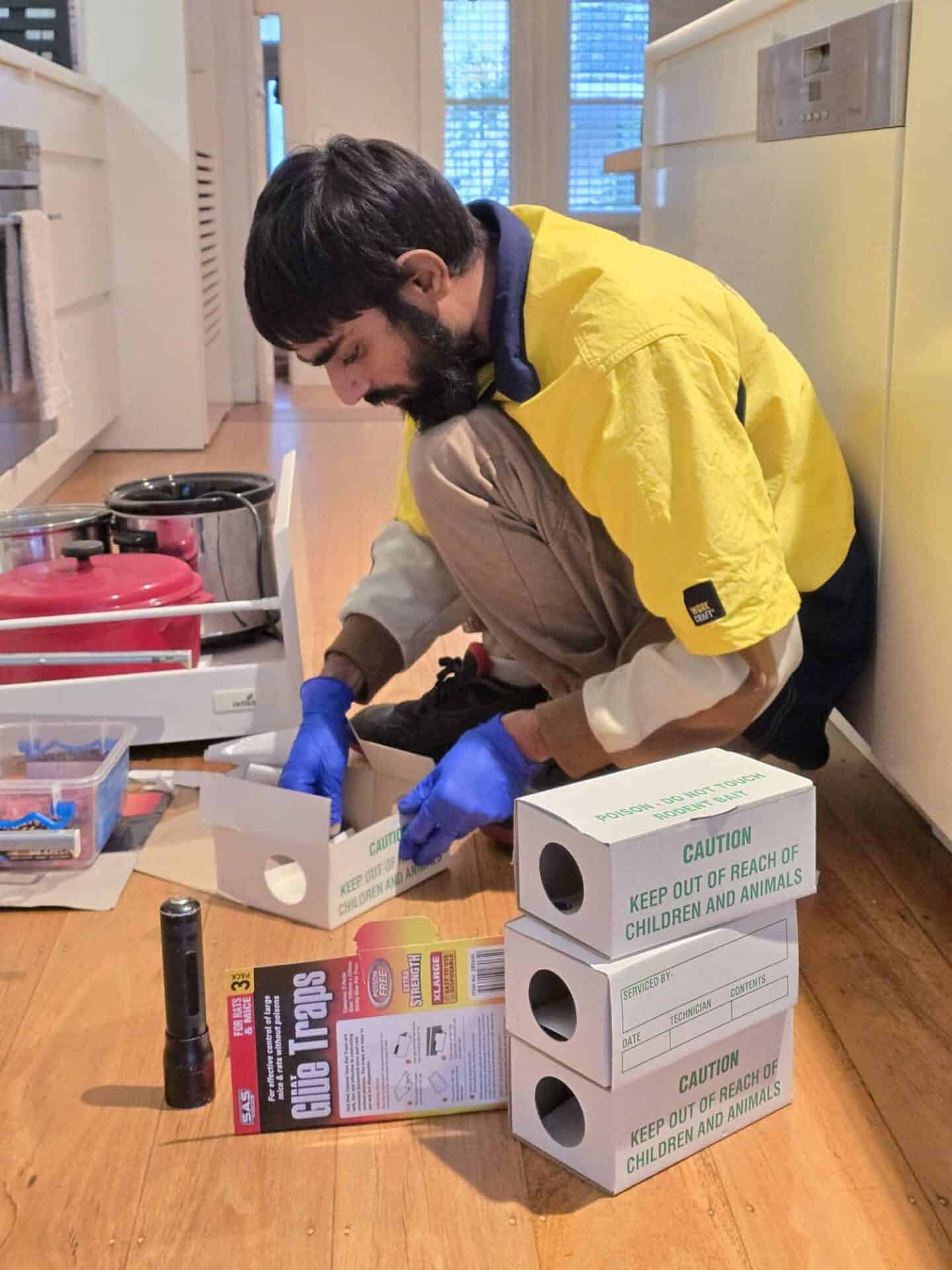
Recurring infestations suggest underlying structural issues or prevention gaps that require expert identification and correction. Professional inspections reveal hidden entry points and conditions that facilitate ongoing problems. I have seen properties with twenty or more undetected entry points, far beyond what most homeowners can identify alone.
Complex building structures, such as multi-level homes or properties with extensive roof systems, benefit from professional expertise in identifying and sealing potential entry points throughout the structure.
PestOz provides comprehensive rodent prevention and control services throughout Sydney’s eastern suburbs. Our experienced technicians conduct thorough property inspections, identify specific risk factors, and implement customised prevention strategies designed for your property’s unique characteristics.
What Makes Winter Prevention More Challenging?
Colder temperatures drive rodents to seek shelter more aggressively during winter months, increasing pressure on residential properties throughout Sydney. This seasonal behaviour change means that gaps and openings that remained unused during warmer months become active entry points.
Reduced daylight hours limit opportunities for exterior inspection and maintenance activities. Property owners often postpone outdoor prevention work due to weather conditions, allowing small problems to develop into larger issues.
Holiday activities and travel disrupt normal household routines that help detect early signs of rodent activity. Accumulated mail, unchanged rubbish bins, and unmonitored food sources create attractive conditions for establishment.
Winter storms and weather events create new entry points through structural damage or shifting that opens previously sealed gaps. Regular post-storm inspections help identify and address these newly created vulnerabilities.
How to Build Long-Term Rodent Prevention in Sydney's Eastern Suburbs
Establishing regular maintenance schedules ensures consistent prevention effectiveness throughout the year. Monthly exterior inspections help identify developing problems before they compromise your home’s protection.
Seasonal maintenance activities should include weatherstripping replacement, seal inspection, and landscape management to maintain optimal prevention conditions. Schedule these activities during mild weather periods when conditions favour thorough work. April and October typically offer the best working conditions in Sydney.
Documentation of prevention measures helps track effectiveness and identify areas requiring additional attention. Maintain records of seal locations, material types used, and replacement schedules for future reference. A simple spreadsheet or notebook suffices.
Family education ensures all household members understand prevention principles and can contribute to ongoing success. Teaching children about proper food storage and cleanliness helps maintain consistent prevention practices.
Professional monitoring services provide ongoing assessment and maintenance of prevention systems, ensuring optimal effectiveness throughout changing seasons and conditions.
For treatment across the Eastern Suburbs, see our rat and mouse control service.
Frequently asked questions
Winter rodent prevention, answered
Real answers from our Sydney technicians on when rats and mice strike, how they get in, and what actually keeps them out of eastern suburbs homes.
Get a free quoteWhen are rats and mice most likely to invade my Sydney home?
Rats and mice most commonly enter Sydney homes during autumn and early winter (May through August) as temperatures drop and outdoor food sources become scarce. However, they can establish infestations year-round if suitable conditions exist.
We see a noticeable uptick in callouts from mid-May onwards as the first cold snaps hit.
Can mice really fit through such tiny gaps?
Yes. Mice can fit through openings as small as 6 mm wide (roughly the width of a pen), whilst young rats can squeeze through openings of about 12 mm. This means even tiny cracks and gaps can provide entry access.
If you can fit a pencil through a gap, a mouse can follow.
Will DIY methods keep rodents out permanently?
DIY prevention methods can be highly effective when properly implemented and maintained. Success depends on thorough application, quality materials, and regular maintenance to address wear and new vulnerabilities.
Properties we monitor with homeowner-applied sealing often remain rodent-free for years, provided the seals are checked seasonally.
I found droppings behind my fridge. What should I do first?
Clean droppings immediately using disinfectant and protective equipment, then investigate for entry points and additional signs of activity. If you find extensive evidence or recurring droppings after cleaning, contact professional pest control services for comprehensive assessment.
One dropping may be incidental; recurring evidence suggests an established presence.
How fast can a rodent problem spiral out of control?
Rodent populations can grow exponentially within weeks due to rapid reproduction cycles. A single breeding pair can produce dozens of offspring within months, making early intervention essential.
The progression from two mice to twenty can occur in as little as eight weeks under favourable conditions.
Do ultrasonic repellers actually work against mice and rats?
Ultrasonic devices show limited effectiveness in real-world applications. Rodents may initially avoid areas with ultrasonic sound, but they typically habituate within days to weeks.
Physical exclusion and removal of attractants deliver far more reliable results than electronic deterrents.